Traveler reading by train window

The Conversation in the Dining Car

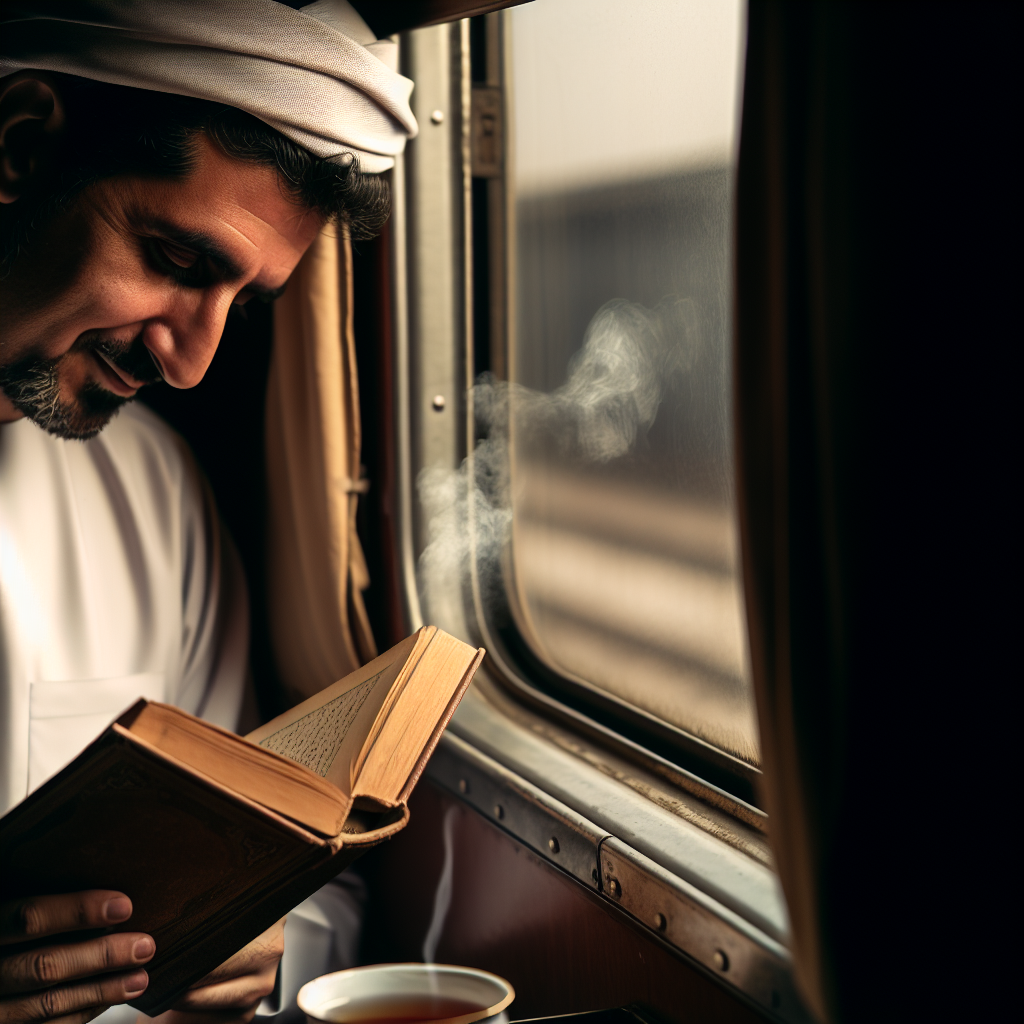
I wasn't planning to talk to anyone. That was the point, actually—ten days of deliberate solitude after a year that felt like constant noise. I'd brought four books and a journal and fully intended to be that person who politely declines dinner companions.

But the dining car on the Glacier Express assigns seats, and so I found myself across from Anna, a retired schoolteacher from Hamburg traveling to visit her daughter in Chur. We started with weather—the safety of strangers—but somewhere between the Oberalp Pass and the Rhine Gorge, we'd moved to deeper territory: what we'd learned in our lives, what we wished we'd known earlier, what still surprised us.

By the time we reached St. Moritz, I understood something I couldn't have articulated before: the value of slow travel isn't just seeing the landscape. It's having the time and space for encounters like this—unhurried conversations with people you'll likely never see again, but who somehow change how you see the world.

Couple in train corridor

What the Night Train Taught Us

My partner and I had been together eight years when we took this trip. Good years, mostly. But somewhere in the routine of careers and city life, we'd stopped actually talking—I mean really talking, not just logistics and grocery lists.

The night train from Vienna to Venice forced something neither of us expected. Our tiny compartment meant we couldn't retreat to separate spaces. No phones worked across the border. Nothing to do but watch the Alps slide past in moonlight and, eventually, talk.

We talked about whether we still wanted the same futures. Whether the life we were building was the one we actually wanted. Whether we'd been avoiding these conversations because we feared the answers. By morning, arriving in Venice with the lagoon silvered by dawn, we felt like we'd crossed more than just mountains.

The trip didn't solve everything—real life rarely works that cleanly. But it gave us back something we'd lost: the ability to sit together in small spaces and be honest about the large things.

Elderly traveler on train

Seventy Years Later

I first traveled this route in 1954, newly married, full of plans. My husband and I rode third-class trains from Genoa to Nice with backpacks and no reservations, sleeping in youth hostels and eating bread and cheese on station platforms. We were so young we thought we'd live forever.

Seventy years later, I made the journey again. Thomas has been gone five years now. The trains are faster, more comfortable. The villages have cars parked where fishing boats once sat. But Vernazza still clings to its cliff, and the sea is still that particular blue I'd remembered for seven decades.

I thought returning might make me sad—confronting all that's changed, all I've lost. Instead, I felt oddly at peace. The landscape endures. The trains still run. People still fall in love in these villages. I was there again, and Thomas was with me in memory, and it was enough.

Slow travel at my age isn't about covering ground. It's about returning to places that witnessed your younger self and discovering they're still there, still beautiful, still worth the journey.

Backpacker planning route

Letting Go of the Itinerary

I'm a planner by profession and temperament. I arrived in Berlin with a spreadsheet: every train timetabled, every museum prebooked, every restaurant vetted by three review sites. I'd optimized this trip within an inch of its life.

Then I met Josef in a Dresden café, a Czech photographer who mentioned a village in Bohemia where fall colors were peaking and tourists never went. On impulse—completely unlike me—I scrapped my next three days and joined him.

That village wasn't on any optimal itinerary. The small pension where we stayed isn't in guidebooks. The hours we spent photographing forest trails and talking about art and exile produced nothing I could put on Instagram. But those were the days that mattered, the ones I remember most clearly.

I still like planning. But slow travel taught me that the plan is scaffolding, not scripture. The best experiences often happen in the gaps you leave for them.

Child looking out train window

Through a Child's Window

We brought our seven-year-old daughter Emma on this trip with some trepidation. Would she be bored? Could she handle long train rides? Would we regret not flying somewhere with a pool?

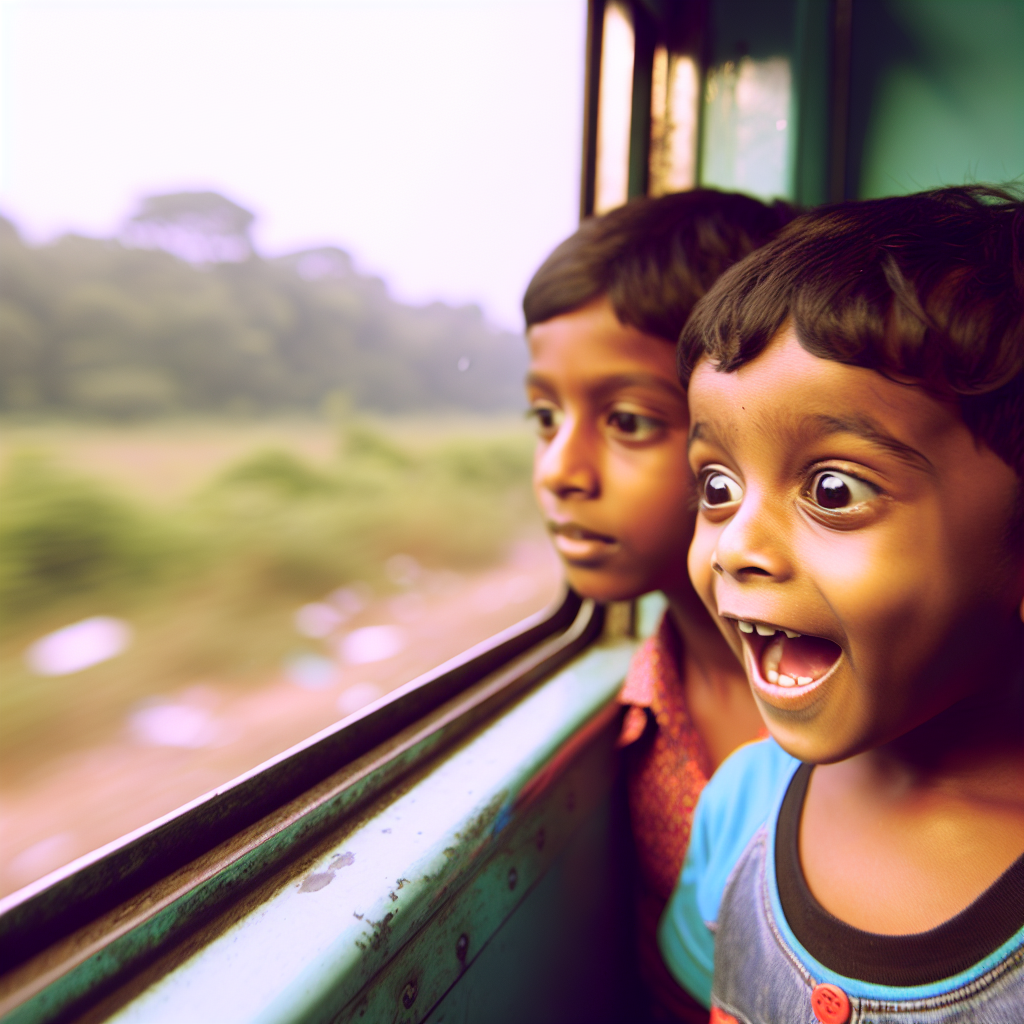
Emma, it turns out, is a natural at train travel. She spent hours pressed against the window, narrating what she saw: "That cow is wearing a bell! Why do mountains have snow in summer? Look, Mom, that house is made of wood!" Her wonder was contagious and exhausting and beautiful.

In Zermatt, she befriended a Swiss girl despite sharing no common language. They communicated through drawings and laughter and a universal kid-language we'd forgotten existed. When we had to leave, they exchanged addresses written in careful child-script, and Emma cried—real tears for a friend she'd known three days.

I thought we were teaching her to travel. Instead, she reminded us how to see: with complete presence, without cynicism, finding magic in the ordinary fact of mountains and trains and strangers who become friends.